E-waste Recycling 

E-Waste Management in India

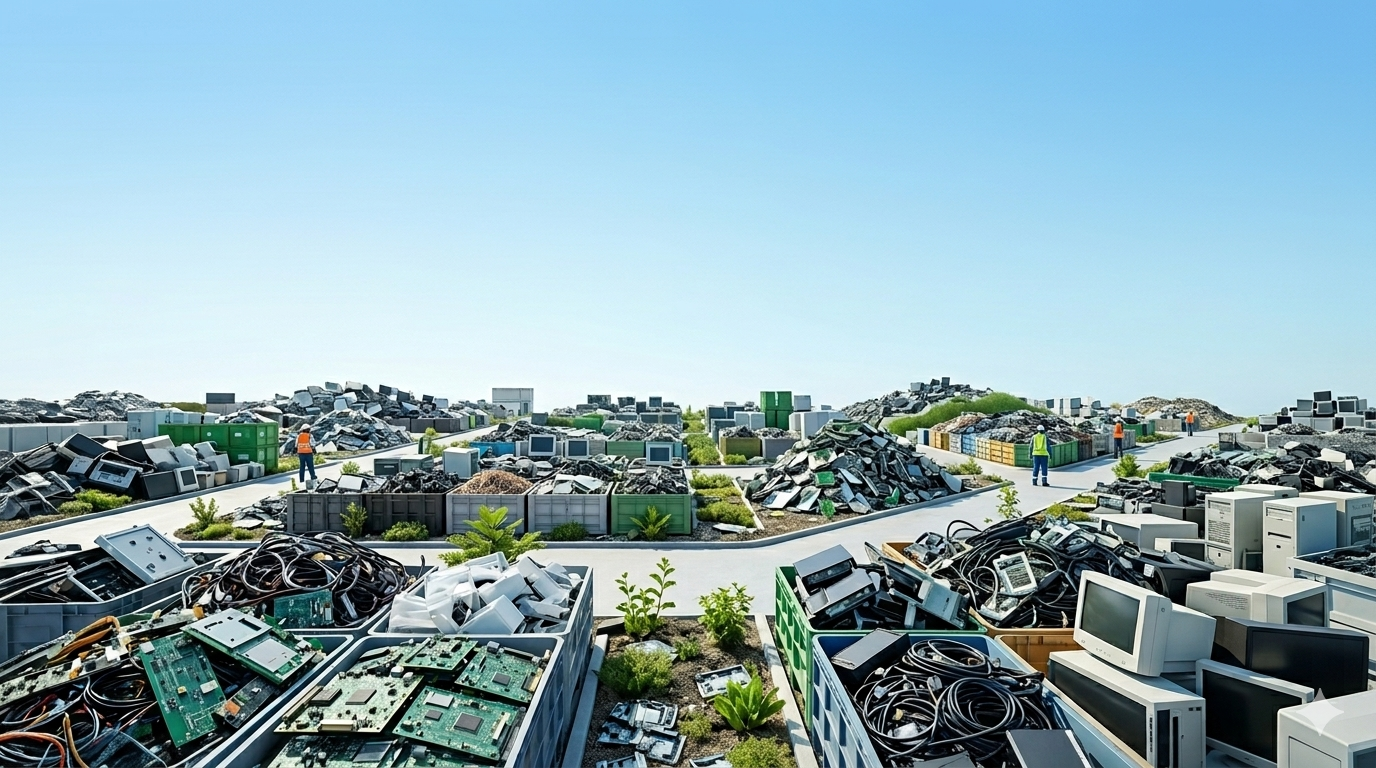
As India advances in technology, the disposal of electronic devices poses a unique challenge. So, we recognize the growing concern of electronic waste (e-waste) and its environmental impact.

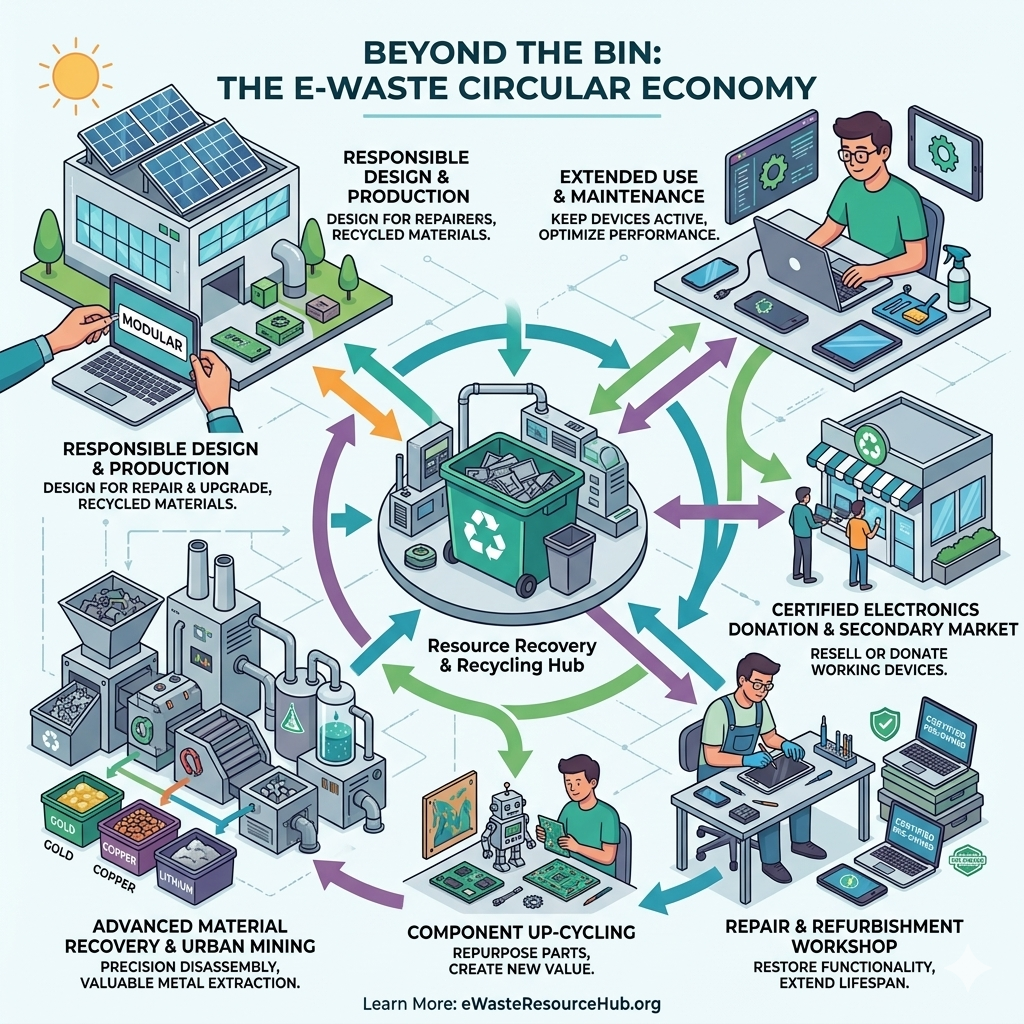
We are at the forefront of e-waste solutions, providing responsible collection, recycling, and disposal services. We understand the need for secure and eco-friendly methods to manage electronic waste, ensuring that valuable resources are recovered and harmful components are handled with the utmost care.


Benefits of E-Waste Management in India

Environmental Preservation:

Proper e-waste management ensures the safe disposal and recycling of electronic devices, preventing harmful substances from contaminating the environment and natural resources. It’s crucial to address electronic waste recycling in India to safeguard our environment.

E-Waste Management in India

As India advances in technology, the disposal of electronic devices poses a unique challenge. So, we recognize the growing concern of electronic waste (e-waste) and its environmental impact.

We are at the forefront of e-waste solutions, providing responsible collection, recycling, and disposal services. We understand the need for secure and eco-friendly methods to manage electronic waste, ensuring that valuable resources are recovered and harmful components are handled with the utmost care.


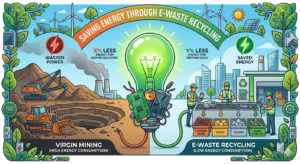
Energy Savings :

  • The Power of “Urban Mining”: Extracting precious metals like gold, silver, copper, and aluminum from discarded electronics requires a fraction of the energy compared to traditional underground mining, crushing, and smelting.

  • Drastic Carbon Footprint Reduction: By bypassing the resource-heavy virgin extraction process, recycling facilities significantly cut down on the greenhouse gases emitted by heavy mining machinery and global transportation networks.

  • Slashing Supply Chain Energy: Processing e-waste locally within India reduces the national reliance on imported raw materials, directly eliminating the massive energy expenditure associated with international shipping and logistics.

  • Efficient Plastic Repurposing: Electronics are housed in high-grade plastics. Shredding and melting these existing polymers to create new casings consumes drastically less petroleum and electricity than synthesizing new plastics from scratch.

  • Preserving Natural Ecosystems: Lowering the demand for new mining operations means fewer forests are cleared and less soil is displaced, keeping natural carbon sinks intact to absorb existing atmospheric CO2.

E-Waste Management Process

Our E-Waste Management Process in India

Audit and Collection Workers
Audit &
Collection

Audit &
Collection

We assess and gather your e-waste, providing an effective solution for e-waste collection in India.

Sorting and Processing Electronic Waste
Sorting &
Processing

Sorting &
Processing

Segregating items for reuse, refurbishment, and recycling in line with e-waste recycling practices in India.

Data Destruction Concept
Data
Destruction

Data
Destruction

Ensuring your data is securely wiped or destroyed, maintaining data security during the e-waste disposal process in India.

Ethical Disposal of Scrap
Ethical
Disposal

Ethical
Disposal

Environmentally-friendly disposal of non-recyclable components, adhering to e-waste disposal regulations in India.
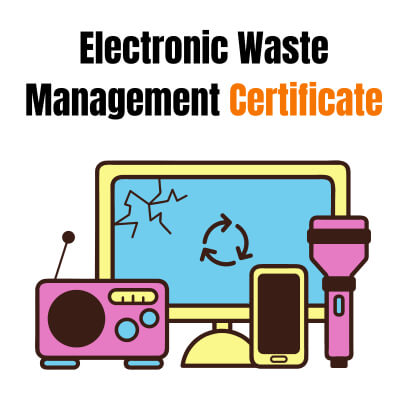
Reporting and Certification Document
Reporting &
Certification

Reporting &
Certification

Providing a detailed report and certification of the e-waste recycling process in India, ensuring transparency and compliance.

E-Waste Management Rules 2022 - India

India’s E-Waste Management Rules (2022)

Addressing the rising challenge: As the third-largest global e-waste contributor, India has replaced the 2016 regulations with targeted 2022 rules to build a sustainable e-waste management paradigm.

Focus and Scope
1

Narrower Scope

Focus on specific entities in the e-waste ecosystem, aligning with the e-waste management framework in India.

Electronics Equipment
2

Expanded Equipment List

From 21 types in 2016 to seven broader categories in 2022, reflecting the evolving electronic waste landscape in India.

3

Mandatory Registration

All entities must register with the CPCB portal, ensuring compliance with e-waste management laws in India.

Producer Responsibility
4

Producer Responsibility

Redefined roles with recycling targets and online EPR certificates, promoting producer responsibility for e-waste recycling.
Solar Panels
5

Solar Photovoltaic Management

Specific obligations for solar module manufacturers, addressing the unique challenges of solar e-waste in India.

6

Bulk Consumer Classification

Inclusion of e-retailers and streamlined compliance, ensuring recyclers cater to a broader consumer base.

Data Insights
7

Data Insights

Real-time e-waste data for better policy formulation, allowing for informed decision-making in electronic waste management.

WordPress Library MusicBeat Music Bands Musicians & DJ’s WordPress Theme MusicPlay – Music & DJ Responsive WordPress Theme Musicy – Music School Elementor Template Kit Musik – Music Web Application Template Musik – WordPress Admin Musize – Creative Music WordPress Theme Muzex – Museum WordPress Theme + RTL MV 360 Tour MV Richard – Health and Fitness WordPress Theme M.Williamson | Lawyer & Legal Adviser WordPress Theme